
February 9, 2023
Pests are one of the biggest threats to crops, but farmers can manage them without relying heavily on chemicals. The first step in pest control is prevention. Healthy soil, good seeds, and balanced irrigation reduce pest attacks naturally. Crop rotation also helps because pests that affect one crop do not usually survive on another.
Farmers can use natural repellents such as neem oil or garlic spray, which are effective against many insects and safe for the soil. Encouraging natural predators like birds and ladybugs also keeps pest populations under control. Simple traps, such as yellow sticky boards, can catch harmful insects before they spread.
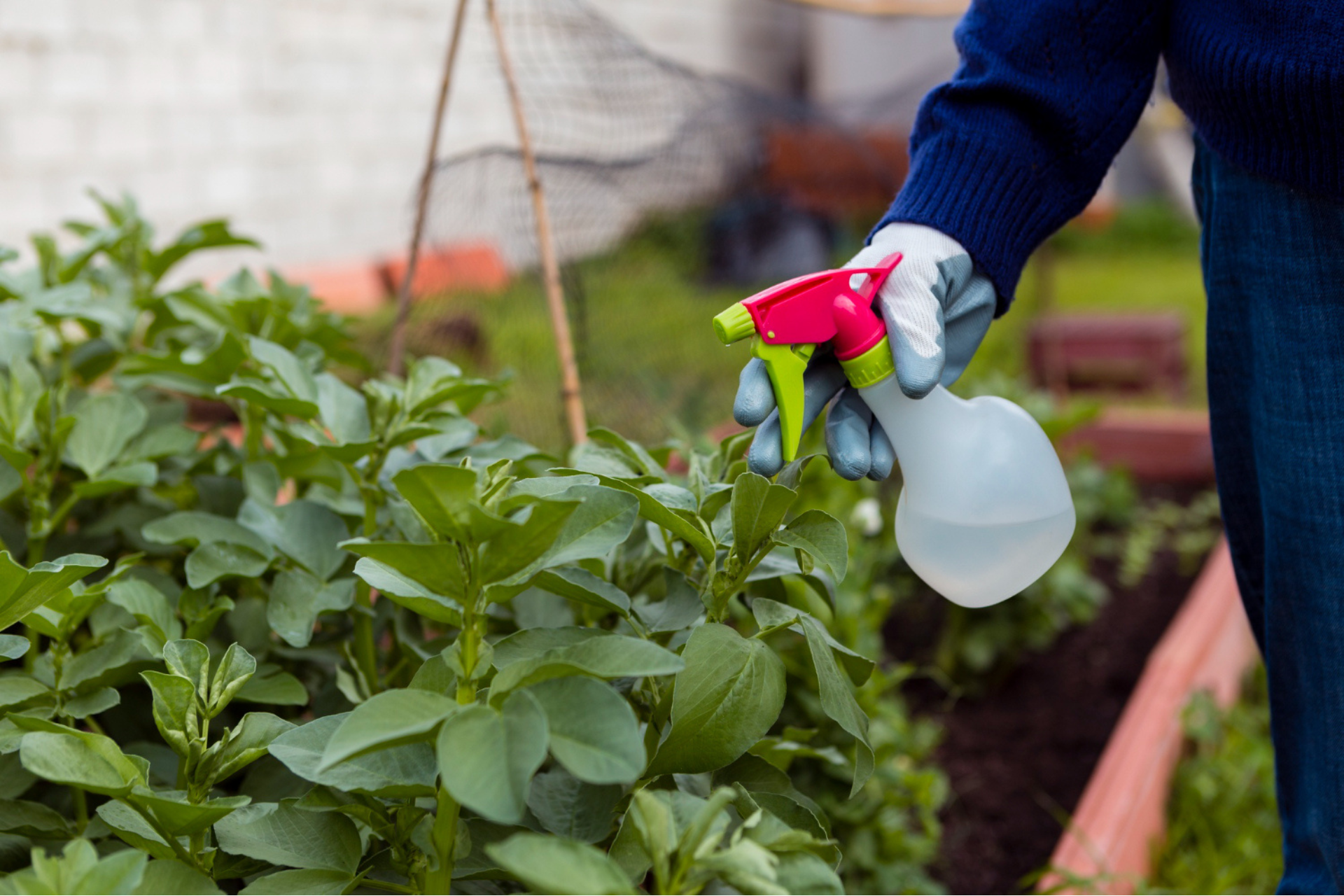
However, when infestations become severe, targeted pesticide use may be necessary. Farmers should always follow safe application methods, using the right dose at the right time. Overuse of chemicals can damage soil health, kill beneficial insects, and reduce long-term productivity.
Regular field inspections are essential for pest control. Farmers who check their crops weekly can identify problems early and act before pests cause major damage. By combining natural methods with careful monitoring, farmers protect their crops, improve soil health, and save costs, leading to safer food and sustainable farming.