
February 9, 2023
Farming has evolved with technology, but many traditional methods still play an important role. Modern techniques, such as precision farming, allow farmers to apply water and fertilizers exactly where needed, reducing waste and improving efficiency. Tools like soil sensors and drones are increasingly being used to monitor crop health.
At the same time, traditional practices like intercropping and mulching remain valuable. Intercropping involves planting two or more crops together, which improves soil fertility and reduces pest risks. Mulching with crop residues or straw helps retain moisture and protect the soil from erosion.
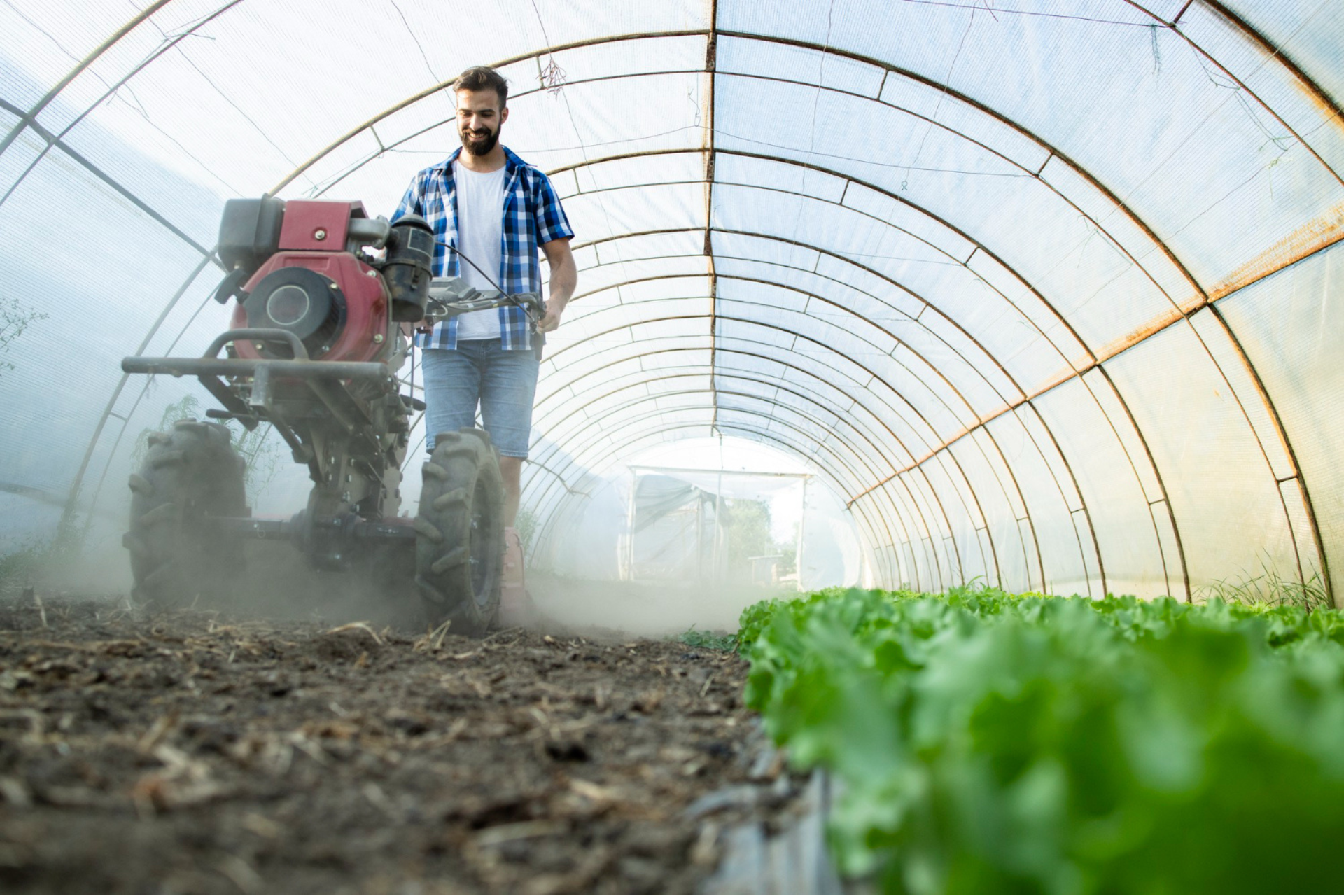
Mechanization has also changed farming. Tractors, harvesters, and irrigation systems reduce labor and save time. Small farmers can benefit from shared machinery services offered in many regions. Farmers who adopt a mix of traditional wisdom and modern tools often achieve better results than those relying on just one method.
Continuous learning is important as well. Agricultural training programs, field schools, and farmer groups provide opportunities to share knowledge and adopt new techniques. With the right blend of methods, farming becomes more productive, sustainable, and less dependent on chance.